Among our vineyards on Mottolone
(The "Pianoro")
The Euganean Hills
THE Euganean Hills They form a hilly group that extends over an area of 250 square kilometers and rises above the Veneto plain, reaching an altitude of 603 meters with Mount Venda. They are the result of ancient underwater volcanic eruptions that ended approximately 30 million years ago. The lava flow formed conical hills of very friable marl, which, as it dissolved, created very deep and fertile soils. The grapes, harvested from vineyards cultivated in these soils, produce minerally and elegant wines with velvety tannins.
Where lava did not flow, volcanoes raised the seabed, forming hills with more modest elevations and calcareous soils due to the significant presence of marine sediments. The shallow, skeletal soils of these hills still allow for vine cultivation, but yields are very low per hectare. The wines produced from these grapes are highly concentrated, powerful, and an expression of a unique and precious terroir.
THE Euganean Hills They are a splendid area characterized by a landscape rich in biodiversity and a remarkable variety of flora and fauna. Known for their thermal springs, vineyards, and historic villages, they are an ideal destination for sustainable tourism and nature lovers.
The area of Euganean Hills It was recognized as a UNESCO World Heritage Site in January 2024 for its cultural and natural significance. The hills are home to a number of fine wines, such as Merlot and Cabernet, and are surrounded by an environment that offers opportunities for hiking, walking, and outdoor activities.
Furthermore, the Euganean Hills They are rich in history, with numerous castles, monasteries, and historic villas that tell the story of the region. Among these, Catajo Castle and the Monastery of San Daniele are just a few of the places worth visiting.
The combination of natural beauty, cultural heritage and food and wine traditions makes the Euganean Hills A unique and fascinating place to explore. Their inclusion in the UNESCO World Heritage List underscores the importance of preserving and enhancing these riches for future generations.
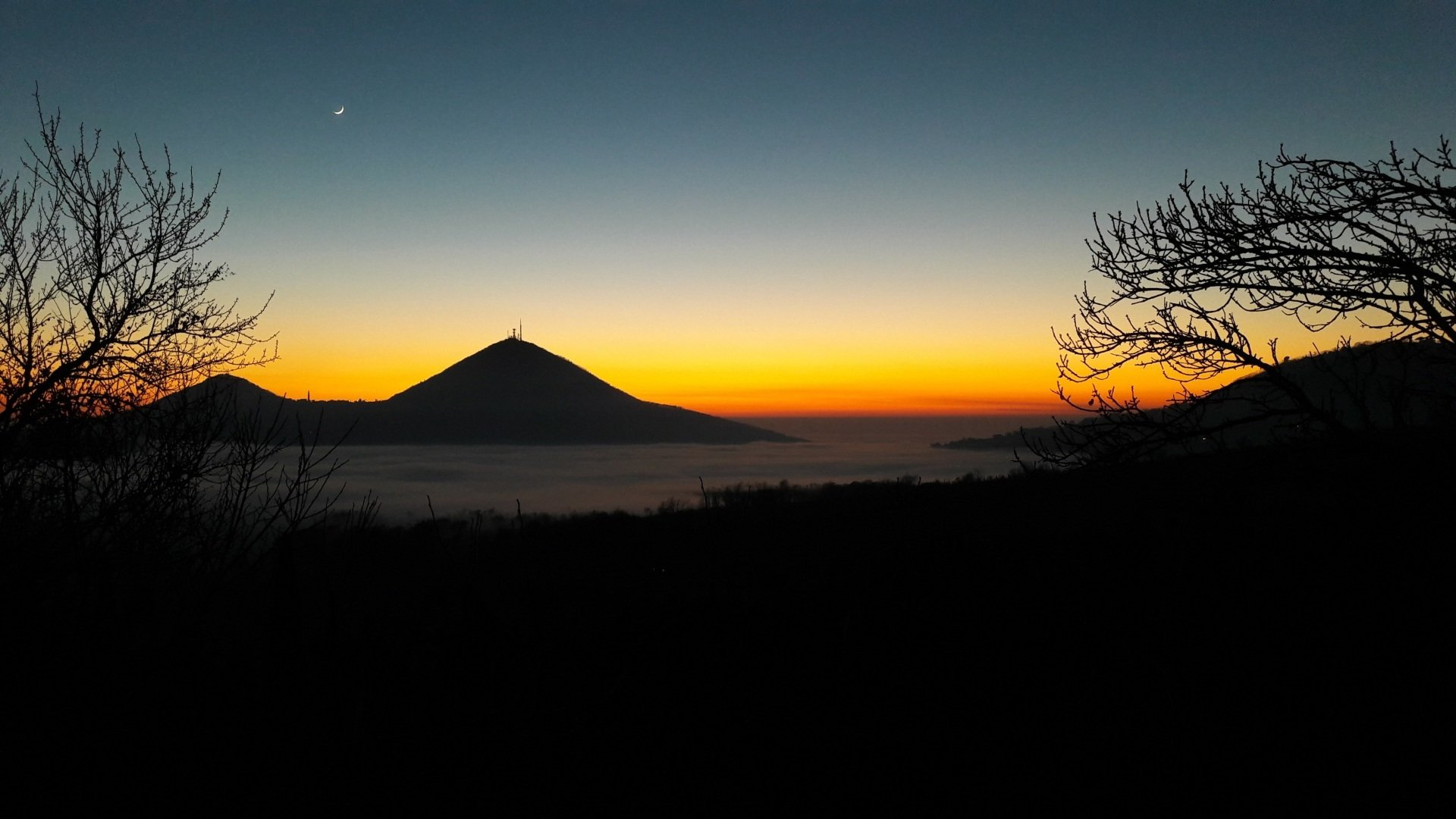
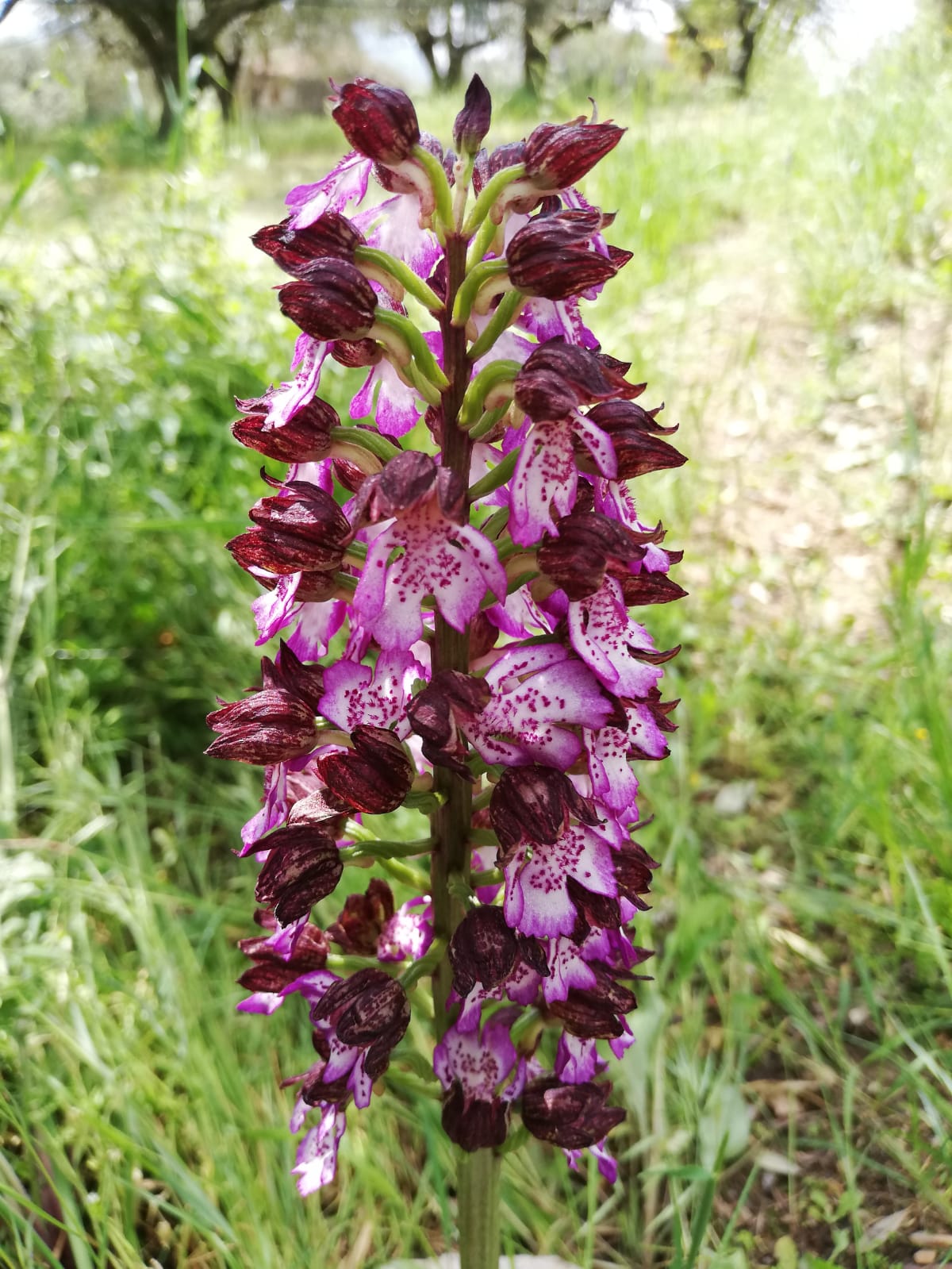
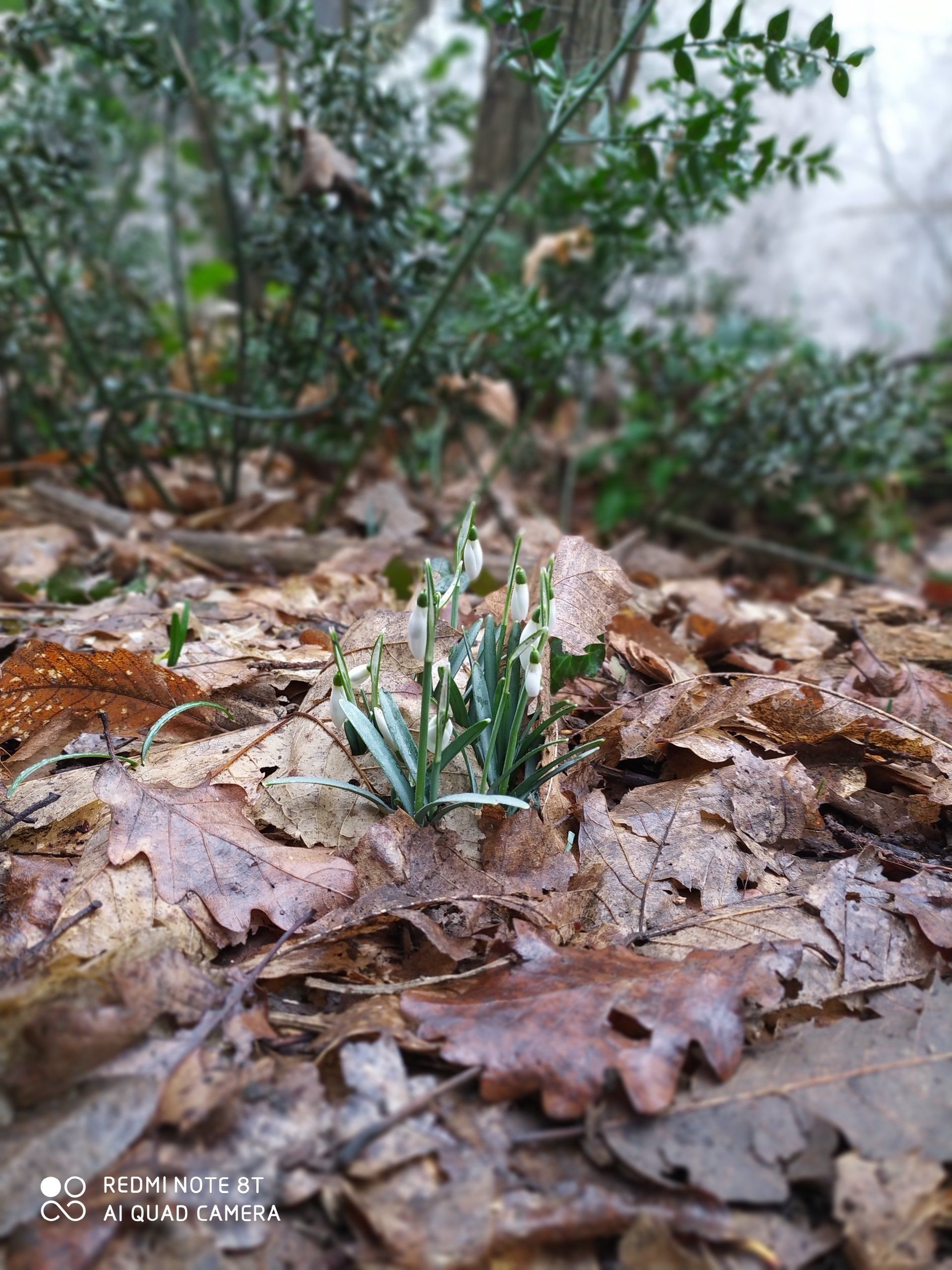
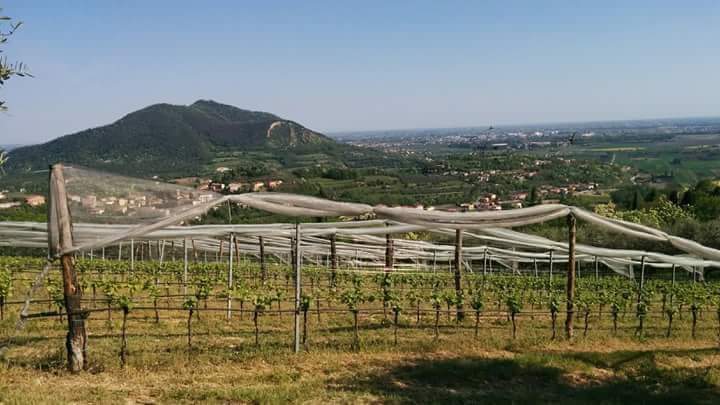
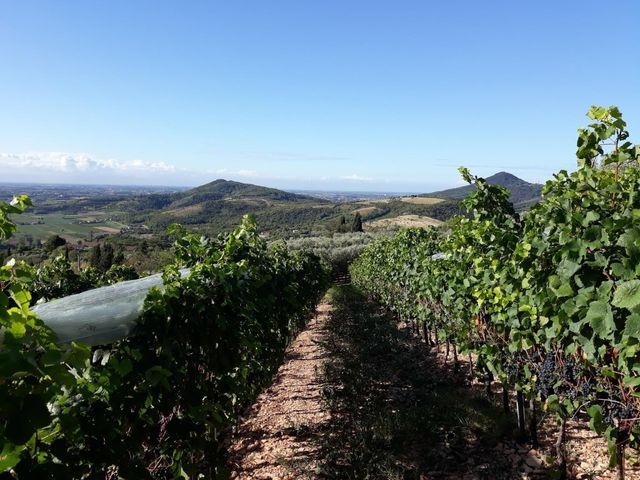
THE Euganean Hills Due to their morphological diversity, they lend the landscape a unique appearance. Their proximity to the Adriatic Sea and the Prealps influences the climate, resulting in significant temperature variations. The grapes produced here have very significant aromatic characteristics. In the southern Euganean Hills, the climate is typically Mediterranean, with herbaceous and tree species rarely found at these latitudes, such as olive, almond, jujube, rosemary, sage, broom, and splendid blooms of wild orchids. In the northern-facing lands, the cooler climate favors alpine vegetation, featuring tree and plant species such as chestnut, black locust, butcher's broom, and many species of edible mushrooms.
Francesco Petrarca, the great poet and ambassador of the 14th century, spent the latter part of his life in Arquà Petrarca, where he benefited from the mild climate and the presence of thermal waters for his health treatments. Here he found inspiration for his poetry. His final resting place and mortal remains remain.